Lena wasn’t trying to impress anyone. I’d stopped by her place on a random Tuesday to borrow a steam cleaner—don’t ask—and the smell hit me before I even got past the screen door. It was nutty, almost like toasted hazelnuts, but richer. Sweeter. I stood there in her entryway, holding a half-empty coffee cup, completely frozen by whatever was happening in her kitchen.
“Oh, that’s just squash,” she said, waving her hand like it was nothing. Just squash. She was wearing an old t-shirt with a bleach stain on the collar and hadn’t even bothered to set the table. Two forks, a cutting board, and she was eating it straight off the sheet pan. Honestly, I’ve been to fancy dinner parties where the host spent three days on a dish that didn’t make me feel half of what that casual Tuesday afternoon did. Maybe you’ve been there—that moment when someone makes something so ridiculously good they don’t even realize what they’ve done.
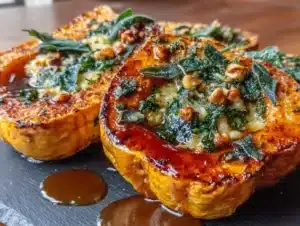
I watched her scrape the last bit of brown butter glaze off the pan with her finger, and I knew right then I’d be making this for every single gathering I ever hosted. Because that’s the thing about this crowd-pleasing brown butter honeynut squash recipe—it looks like you fussed, but it’s really just a happy accident of heat, butter, and the right squash. The honeynut squash gets all caramelized and tender, and that brown butter situation? Let me tell you, it’s the kind of thing that makes people close their eyes mid-bite. I’ve been making it for years now, and it never gets old. It’s the dish that steals the table without you having to say a word.
Why You’ll Love This Recipe
This isn’t just another roasted squash recipe. After testing this at least a dozen times—for Thanksgiving, casual potlucks, and even a few weeknight dinners where I needed something that felt special—I can tell you this version is the one. It’s the kind of recipe that makes you look like a hero in the kitchen with almost zero effort.
- Quick & Easy: Comes together in about 35 minutes, and most of that is hands-off oven time. Perfect for when guests are on their way and you need something impressive fast.
- Simple Ingredients: You likely already have butter, maple syrup, and salt in your kitchen. The only special item is the honeynut squash, which is showing up at more grocery stores these days.
- Perfect for Entertaining: This dish is designed for hosting. You can prep the squash ahead, make the brown butter in advance, and just toss everything together right before your guests arrive. It’s the ultimate stress-free side dish.
- Crowd-Pleaser: I’ve served this to picky eaters, vegetable skeptics, and full-on squash lovers. Every single person goes back for seconds. It’s sweet, savory, nutty, and completely addictive.
- Unbelievably Delicious: The brown butter adds this deep, toasty flavor that transforms simple roasted squash into something you’d pay for at a fancy restaurant. The texture is perfectly tender with caramelized edges that are pure magic.
What makes this recipe different from all the others? It’s the technique. Most recipes just toss squash with oil and call it a day. Here, you’re browning the butter first—which takes about 5 minutes—and that one step changes everything. The nuttiness of the brown butter pairs perfectly with the natural sweetness of the honeynut squash, and a touch of maple syrup and red pepper flakes creates this sweet-heat balance that keeps people coming back for more. It’s comfort food reimagined: faster, more flavorful, but with the same soul-soothing satisfaction that makes you want to curl up at the table.
What Ingredients You Will Need
This recipe uses simple, wholesome ingredients to deliver bold flavor and satisfying texture without the fuss. Most of these are pantry staples, which makes this perfect for last-minute hosting.
- Honeynut squash, 2 to 3 medium (about 2 pounds total), halved lengthwise and seeds scooped out. Look for squash that feels heavy for its size. If you can’t find honeynut, you can substitute butternut squash—just cut it into smaller pieces since butternut is larger.
- Unsalted butter, 4 tablespoons (½ stick). I prefer Kerrygold or Plugrà for the best browning. The milk solids in European-style butter brown more evenly and create a richer flavor.
- Pure maple syrup, 2 tablespoons. Use the real stuff, not pancake syrup. Grade A dark amber works beautifully here because its stronger flavor stands up to the brown butter.
- Fresh sage leaves, 8 to 10 leaves. These crisp up in the brown butter and add this amazing savory note. If you don’t have fresh sage, you can use 1 teaspoon dried rubbed sage, but fresh really makes a difference here.
- Red pepper flakes, ¼ teaspoon (optional but highly recommended). This tiny amount doesn’t make it spicy—it just wakes up all the other flavors. I use the ones from Trader Joe’s because they’re flaky and distribute evenly.
- Flaky sea salt, such as Maldon, ½ teaspoon for finishing. This is non-negotiable in my opinion. The crunchy salt crystals against the soft, caramelized squash is one of the best parts.
- Kosher salt, ½ teaspoon for the butter sauce.
- Freshly ground black pepper, ¼ teaspoon.
- Optional garnish: Toasted pecans or walnuts, about ¼ cup, chopped. Adds a nice crunch if you’re serving this at a dinner party.
For the best texture, look for honeynut squash that are firm with no soft spots. They should be about the size of a large sweet potato—that’s how you know they’ll be sweet and creamy. In the fall, I stock up at my local farmers market because they keep well in a cool, dark place for up to two weeks.
Equipment Needed
You don’t need much for this recipe, which is part of its beauty. Here’s what you’ll need:
- Sheet pan, rimmed, 13×18 inches. A half-sheet pan works perfectly. If you don’t have one, any rimmed baking pan will do—just make sure the squash fits in a single layer.
- Small saucepan, for browning the butter. I use a 1-quart stainless steel pan because I can see the color change clearly. A light-colored pan helps you monitor the browning process.
- Chef’s knife, for halving the squash. Honeynut squash is smaller than butternut, so it’s easier to cut, but still use a sharp knife and be careful.
- Large spoon or melon baller, for scooping out seeds.
- Pastry brush, for brushing the brown butter mixture onto the squash. You can also use a spoon, but a brush gives better coverage.
- Parchment paper, for easy cleanup. Optional but highly recommended, especially when entertaining.
If you don’t have a pastry brush, just drizzle the brown butter over the squash and use the back of a spoon to spread it around. I’ve done it both ways, and honestly, it works fine either way.
Preparation Method
- Preheat your oven to 400°F (200°C). Line a rimmed sheet pan with parchment paper for easy cleanup. While the oven heats, get your squash ready.
- Prepare the honeynut squash. Carefully halve each squash lengthwise using a sharp chef’s knife. Scoop out the seeds and stringy bits with a large spoon. Don’t worry about being perfect—just get the big stuff out. Place the squash halves cut-side up on the prepared sheet pan.
- Start the brown butter. In a small saucepan over medium heat, melt the 4 tablespoons of unsalted butter. Once melted, swirl the pan occasionally. The butter will start to foam, then the milk solids will begin to turn golden brown at the bottom. This takes about 4 to 5 minutes. Watch carefully—it goes from perfect to burnt very quickly. When you see golden brown specks and smell a nutty aroma, remove the pan from heat immediately. Stir in the fresh sage leaves—they’ll sizzle and crisp up in about 30 seconds.
- Make the glaze. To the brown butter and sage, add the 2 tablespoons of maple syrup, ½ teaspoon kosher salt, ¼ teaspoon black pepper, and ¼ teaspoon red pepper flakes (if using). Stir everything together. The mixture should smell incredible at this point—sweet, nutty, and slightly spicy.
- Brush the squash. Using a pastry brush, generously brush the brown butter mixture all over the cut sides of the squash halves. Make sure you get into all the nooks and crannies. Don’t forget to brush a little on the skin sides too—it adds flavor and helps them caramelize. Reserve any leftover glaze for basting later.
- Roast the squash. Place the sheet pan in the preheated oven and roast for 20 minutes. After 20 minutes, remove the pan and brush the squash again with any remaining brown butter mixture. Flip the squash halves over so they’re cut-side down. This helps them caramelize evenly and creates those gorgeous golden edges.
- Finish roasting. Return the pan to the oven and roast for another 10 to 15 minutes, until the squash is fork-tender and the edges are deeply caramelized. The skin should look slightly wrinkled and the flesh should be soft but not mushy. Total roasting time is about 30 to 35 minutes.
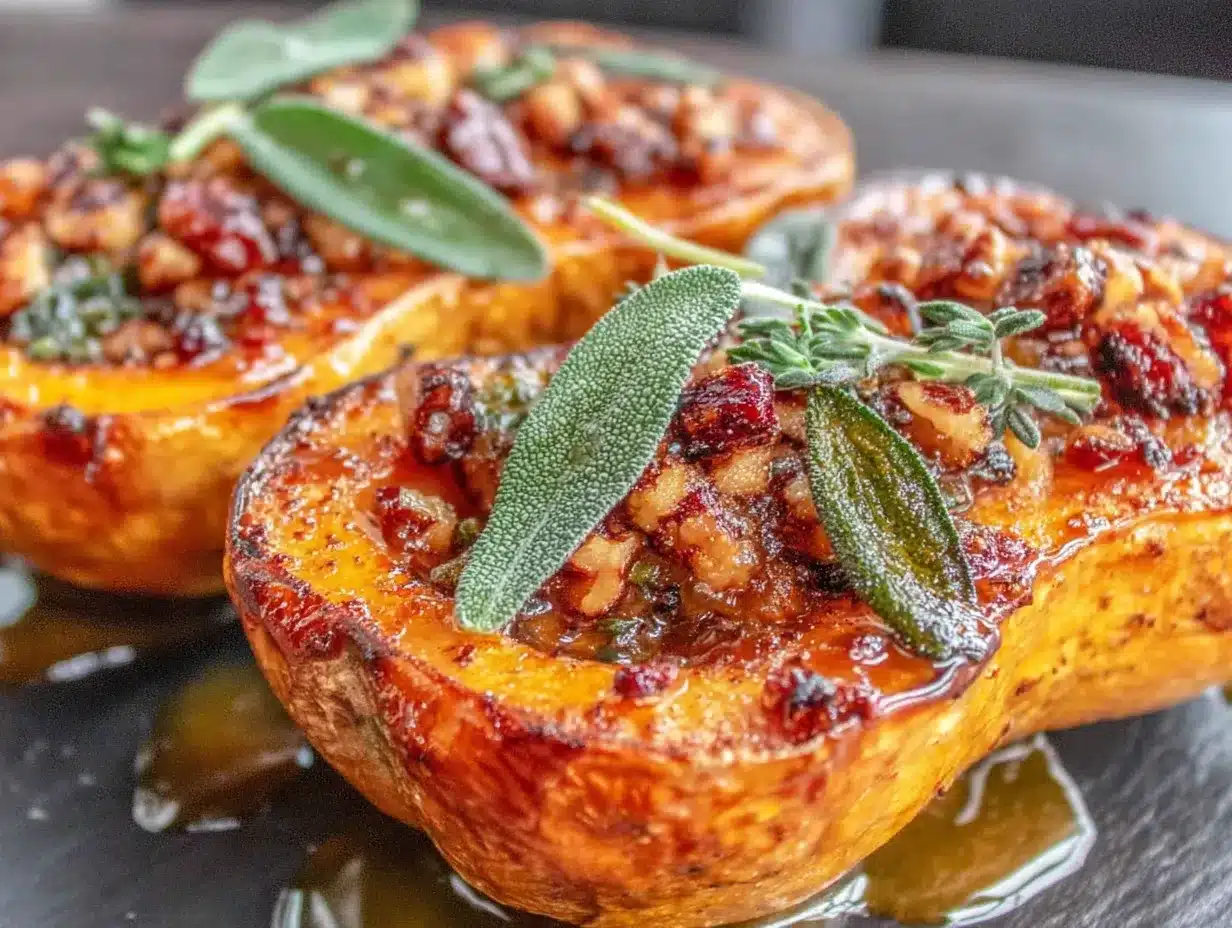
- Rest and garnish. Remove the sheet pan from the oven and let the squash rest for 5 minutes. This allows the juices to redistribute. Sprinkle with flaky sea salt and the crispy sage leaves. If you’re using toasted pecans, scatter them over the top now.
- Serve immediately. Transfer the squash to a serving platter or leave it on the sheet pan for a more casual presentation. The squash should be glistening, caramelized, and absolutely irresistible.
Pro tip: If you’re prepping for a gathering, you can make the brown butter and prep the squash up to 24 hours in advance. Store the brown butter in the fridge and the halved squash in an airtight container. When you’re ready to cook, just brush and roast. This makes hosting so much less stressful.
Cooking Tips & Techniques
I’ve made this recipe more times than I can count, and I’ve definitely had my share of learning moments. Here are the things I wish I’d known from the start.
Don’t rush the brown butter. I know it’s tempting to crank up the heat, but medium heat is your friend. The first time I made this, I got impatient and ended up with burnt butter that tasted bitter. Start with medium heat, swirl the pan often, and pull it off the heat as soon as you see those golden brown specks. The residual heat will continue cooking it slightly, so erring on the side of early is better than late.
Cut the squash evenly. This is one of those things that sounds obvious but matters a lot. If some halves are thicker than others, they’ll cook at different rates. Try to choose squash that are similar in size, and cut them as evenly as possible. If you end up with one that’s much larger, you can cut it into smaller pieces to match the others.
Watch the flip. Flipping the squash cut-side down halfway through is what gives you those gorgeous caramelized edges. But be careful when you flip—the squash will be hot and tender. Use tongs and be gentle. If a piece breaks, don’t stress. It’ll still taste amazing, and you can hide it on the bottom of the serving platter.
Use the whole sage leaf. When you add the sage leaves to the brown butter, don’t chop them. Whole leaves crisp up beautifully and look gorgeous as a garnish. Plus, they’re easier to distribute evenly over the squash. I learned this after a sad attempt with chopped sage that just turned into little brown bits.
Season at the end. The flaky sea salt should go on after roasting, not before. If you add it at the beginning, it dissolves into the butter and you lose that wonderful crunchy texture. The contrast between the soft, sweet squash and the salty, crunchy flakes is one of the best parts of this dish.
Multitask wisely. While the squash is roasting, you can prep the rest of your meal. This dish works great as a side for roasted chicken, pork chops, or even a simple holiday turkey. I usually start the squash first, then work on the main dish while it’s in the oven.
Variations & Adaptations
This recipe is wonderfully adaptable, and I’ve tried several variations over the years. Here are some of my favorites:
Maple-Balsamic Version: Swap 1 tablespoon of the maple syrup for balsamic vinegar. The acidity cuts through the richness of the brown butter and adds a tangy depth that’s incredible with roasted meats. I made this for a Friendsgiving potluck and got three requests for the recipe.
Spicy Honey Variation: Replace the maple syrup with honey and add an extra ¼ teaspoon of red pepper flakes. The honey caramelizes beautifully and the extra heat gives the dish a sweet-spicy kick that’s perfect for fall gatherings. This version is especially good alongside grilled pork chops.
Vegan Adaptation: Substitute the butter with a high-quality vegan butter that’s designed for browning, like Miyoko’s or Earth Balance. The flavor won’t be exactly the same, but it’s still delicious. I’ve also tried it with coconut oil, and while it’s good, it doesn’t have that same nutty depth.
Herb Swap: If you don’t have sage, try fresh thyme or rosemary. Thyme gives a more delicate, earthy flavor, while rosemary adds a piney, aromatic note. I actually prefer rosemary when I’m serving this alongside lamb or beef.
Nut-Free Option: Skip the pecans or walnuts if you’re serving guests with nut allergies. The squash is plenty delicious on its own. You can also substitute toasted pumpkin seeds for a nut-free crunch that still feels festive.
Air Fryer Method: If you’re short on time or want to free up oven space, you can make this in an air fryer. Cook the halved squash at 375°F for 15 to 18 minutes, flipping halfway through. You’ll need to work in batches, but the results are just as caramelized and delicious.
Serving & Storage Suggestions
This dish is incredibly versatile when it comes to serving. Here’s how I like to present it for different occasions.
Serving temperature: Serve the squash warm, straight from the oven. The brown butter glaze is at its best when it’s hot and glossy. If you’re serving it as part of a larger meal, time it so it comes out of the oven right when everyone sits down.
Presentation tips: For a casual gathering, I leave the squash on the sheet pan and set it right on the table. It feels rustic and approachable, and guests love being able to grab their own piece. For a more formal dinner party, arrange the squash halves on a white platter, drizzle any remaining pan juices over the top, and garnish with the crispy sage and flaky salt. It looks stunning with minimal effort.
What to serve alongside: This squash pairs beautifully with roasted chicken, pork tenderloin, or a holiday turkey. For a vegetarian main, serve it alongside a hearty grain salad or stuffed portobello mushrooms. It’s also fantastic with simple roasted Brussels sprouts or a crisp green salad with vinaigrette to balance the richness.
Storage instructions: Leftover squash keeps well in an airtight container in the refrigerator for up to 4 days. The texture will soften slightly, but the flavor actually gets better as the squash absorbs more of the brown butter glaze.
Reheating methods: The best way to reheat is in a 350°F oven for about 10 minutes, which restores some of the caramelization. You can also reheat in the microwave, but the texture will be softer. If you’re reheating for a second gathering, add a fresh sprinkle of flaky salt to bring back that crunchy contrast.
Freezer instructions: You can freeze the roasted squash for up to 3 months. Let it cool completely, then place in a freezer-safe container. Thaw overnight in the refrigerator and reheat in the oven. The texture won’t be quite as perfect as fresh, but it’s still delicious for a quick side dish.
Nutritional Information & Benefits
Here’s the approximate nutritional breakdown for one serving (half a honeynut squash with glaze):
- Calories: 185
- Total Fat: 12g
- Saturated Fat: 7g
- Carbohydrates: 20g
- Fiber: 3g
- Sugar: 12g
- Protein: 2g
- Vitamin A: 200% of the Daily Value
- Vitamin C: 25% of the Daily Value
- Potassium: 450mg
Honeynut squash is a nutritional powerhouse. It’s packed with beta-carotene, which your body converts to vitamin A for healthy vision and immune function. It’s also a great source of fiber, which supports digestive health and helps you feel full longer. The brown butter adds healthy fats that help your body absorb the fat-soluble vitamins in the squash.
This recipe is naturally gluten-free and can be made dairy-free with vegan butter. If you’re watching your sugar intake, you can reduce the maple syrup to 1 tablespoon—the squash is naturally sweet enough to carry the dish. I personally love that this feels indulgent but is actually pretty good for you. It’s the kind of side dish you can feel great about serving to your family and friends.
Conclusion
This crowd-pleasing brown butter honeynut squash recipe has become my go-to for every gathering, and I honestly can’t imagine hosting without it. It’s the dish that makes people stop mid-conversation and ask, “What is this? It’s incredible.” And the best part? It’s so simple that you can make it without breaking a sweat, even when you’ve got a dozen other things on your plate.
I love this recipe because it proves that you don’t need complicated techniques or fancy ingredients to create something truly memorable. It’s just good butter, good squash, and a little bit of patience. The kind of food that feels like a warm hug on a cold day, or like that Tuesday afternoon at Lena’s house when I discovered something extraordinary hiding in plain sight.
I’d love to hear how this recipe turns out for you. Did you try any variations? Serve it at a holiday dinner? Drop a comment below and let me know—I read every single one. And if you share it on social media, tag me so I can see your beautiful caramelized squash. Happy cooking, friends!
Frequently Asked Questions
Can I use butternut squash instead of honeynut squash?
Absolutely. Honeynut squash is smaller and sweeter than butternut, but butternut works perfectly as a substitute. Just cut it into smaller pieces—about 2-inch chunks—since butternut squash is much larger. You may need to roast it for an extra 5 to 10 minutes, so keep an eye on it.
How do I know when the brown butter is done?
Watch for the butter to turn a golden amber color with small brown specks at the bottom of the pan. You’ll also smell a nutty, toasty aroma. This usually takes 4 to 5 minutes over medium heat. The moment you see those brown specks, remove the pan from the heat to prevent burning.
Can I make this recipe ahead of time for a party?
Yes! You can prep the squash and make the brown butter up to 24 hours in advance. Store the halved squash in the fridge and the brown butter in a separate container. When you’re ready to serve, just brush the squash with the brown butter and roast as directed. This makes entertaining so much easier.
Is this recipe spicy?
Not really. The ¼ teaspoon of red pepper flakes adds a subtle warmth that enhances the other flavors without making the dish spicy. If you’re sensitive to heat, you can leave it out entirely. If you love spice, feel free to add more—I’ve gone up to ½ teaspoon for a bolder kick.
How do I reheat leftover squash without drying it out?
The best method is to reheat in a 350°F oven for about 10 minutes. This restores some of the caramelization and keeps the squash tender. If you’re in a hurry, the microwave works, but the texture will be softer. Add a fresh sprinkle of flaky salt after reheating to bring back that wonderful crunch.
PrintPerfectly Roasted Brown Butter Honeynut Squash Recipe
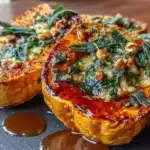
This crowd-pleasing brown butter honeynut squash recipe features caramelized squash halves glazed with nutty brown butter, maple syrup, and crispy sage. It’s an easy, impressive side dish perfect for entertaining.
- Prep Time: 10 minutes
- Cook Time: 30 minutes
- Total Time: 40 minutes
- Yield: 4 servings 1x
- Category: Side Dish
- Cuisine: American
Ingredients
- 2 to 3 medium honeynut squash (about 2 pounds total), halved lengthwise and seeds scooped out
- 4 tablespoons unsalted butter (½ stick)
- 2 tablespoons pure maple syrup
- 8 to 10 fresh sage leaves
- ¼ teaspoon red pepper flakes (optional)
- ½ teaspoon flaky sea salt (for finishing)
- ½ teaspoon kosher salt
- ¼ teaspoon freshly ground black pepper
- ¼ cup toasted pecans or walnuts, chopped (optional garnish)
Instructions
- Preheat your oven to 400°F (200°C). Line a rimmed sheet pan with parchment paper.
- Prepare the honeynut squash: Carefully halve each squash lengthwise using a sharp chef’s knife. Scoop out the seeds and stringy bits with a large spoon. Place the squash halves cut-side up on the prepared sheet pan.
- Start the brown butter: In a small saucepan over medium heat, melt the 4 tablespoons of unsalted butter. Once melted, swirl the pan occasionally. The butter will start to foam, then the milk solids will begin to turn golden brown at the bottom. This takes about 4 to 5 minutes. When you see golden brown specks and smell a nutty aroma, remove the pan from heat immediately. Stir in the fresh sage leaves—they’ll sizzle and crisp up in about 30 seconds.
- Make the glaze: To the brown butter and sage, add the 2 tablespoons of maple syrup, ½ teaspoon kosher salt, ¼ teaspoon black pepper, and ¼ teaspoon red pepper flakes (if using). Stir everything together.
- Brush the squash: Using a pastry brush, generously brush the brown butter mixture all over the cut sides of the squash halves. Reserve any leftover glaze for basting later.
- Roast the squash: Place the sheet pan in the preheated oven and roast for 20 minutes. After 20 minutes, remove the pan and brush the squash again with any remaining brown butter mixture. Flip the squash halves over so they’re cut-side down.
- Finish roasting: Return the pan to the oven and roast for another 10 to 15 minutes, until the squash is fork-tender and the edges are deeply caramelized. Total roasting time is about 30 to 35 minutes.
- Rest and garnish: Remove the sheet pan from the oven and let the squash rest for 5 minutes. Sprinkle with flaky sea salt and the crispy sage leaves. If using toasted pecans, scatter them over the top now.
- Serve immediately: Transfer the squash to a serving platter or leave it on the sheet pan for a more casual presentation.
Notes
For best results, don’t rush the brown butter—use medium heat and remove from heat as soon as you see golden brown specks. Cut squash evenly for uniform cooking. Flip squash cut-side down halfway through for caramelized edges. Add flaky sea salt after roasting for crunchy texture. Can prep squash and brown butter up to 24 hours in advance.
Nutrition
- Serving Size: 1 half squash with g
- Calories: 185
- Sugar: 12
- Sodium: 450
- Fat: 12
- Saturated Fat: 7
- Carbohydrates: 20
- Fiber: 3
- Protein: 2
Keywords: brown butter honeynut squash, roasted squash, fall side dish, Thanksgiving side, easy squash recipe, maple sage squash